Executive Summary
A comprehensive guide on evaluating payload capacities, travel heights, platform dimensions, and structural safety parameters when commissioning heavy-duty goods elevators.
Understanding Vertical Industrial Material Handling
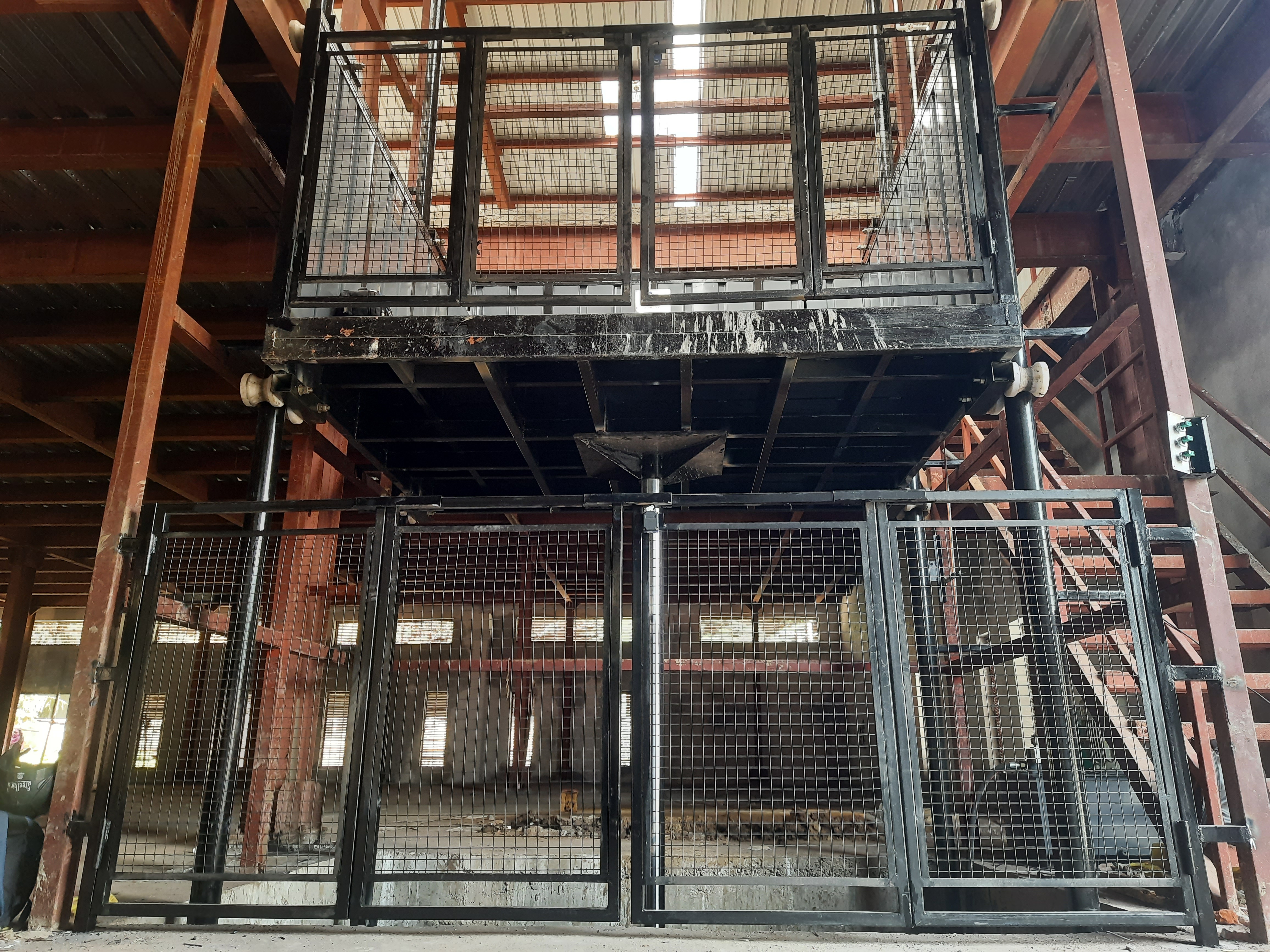
In modern industrial facilities, manufacturing plants, and warehousing complexes, seamless vertical movement of heavy cargo is vital for operational efficiency. Industrial Hydraulic Goods Lifts (often referred to as freight hoists or material lifts) provide robust, cost-effective, and safe vertical transport for loads ranging from 500 kg up to 25 Metric Tons.
1. Key Factors When Specifying an Industrial Hydraulic Lift
When engineering an industrial lift system, several critical parameters must be evaluated:
- Rated Load Capacity: Always factor in dynamic impact loading, especially when loading with motorized forklifts or manual pallet stackers.
- Travel Height & Number of Stops: Hydraulic systems provide superior smooth leveling accuracy across mezzanine floors, basements, and multi-tier platforms.
- Platform Dimensions & Enclosure: Custom fabricated car enclosures with interlocking safety collapsible gates or automatic rolling shutters prevent operational hazards.
- Duty Cycle & Operating Speed: Selecting appropriate hydraulic power packs (oil-immersed motors and precision valves) ensures continuous operation without thermal overload.
2. Direct System vs. Mast Structure Systems
Depending on building architecture and civil pit availability, hydraulic lifts can be installed using direct single/twin cylinder systems, cantilever mast guides, or self-supporting structural steel frameworks that eliminate the need for load-bearing civil shafts.
"Choosing custom-fabricated hydraulic material hoists ensures 100% compatibility with your exact facility dimensions, reducing downtime and civil modification expenses."
3. Essential Safety Interlocks
Reliable industrial lifts incorporate multiple redundant fail-safe mechanisms:
- Rupture valves (hose-burst valves) to prevent free-fall in the event of hydraulic pressure drops.
- Electro-mechanical door interlocks preventing lift movement while any shaft gate remains open.
- Emergency manual lowering valves for safe cabin retrieval during power interruptions.
- Phase sequence correctors and overload relief valves to protect motor windings and hydraulic lines.
For more detailed technical consultations or custom layout drawings, reach out to our engineering specialists at B. R. Equipments.